






The Web3 industry is booming. Projects now need scalable SEO strategies to drive organic traffic across thousands of blockchain-related searches. Programmatic SEO platforms do this by generating, managing and optimizing high volumes of content-driven pages automatically.
Whether you are a crypto exchange, NFT marketplace, DeFi protocol or a blockchain analytics platform, the right CMS or website platform can help you streamline content production and maintain strong search visibility. In this guide, we’ll look at the Best Web3 Programmatic SEO Platforms which offer automation, flexibility, data integration, and SEO features to promote long-term organic growth.
What Is Web3 Programmatic SEO?
Web3 Programmatic SEO is a strategy that uses structured data, automated content workflows, APIs, and reusable page templates to build large volumes of search-friendly pages for websites that are related to blockchain. It enables crypto exchanges, DeFi protocols, NFT marketplaces, blockchain gaming platforms, and Web3 startups to target a variety of relevant search queries without needing to manually build every page.
A crypto website can use structured data to create dedicated pages for different tokens, blockchains, wallets, and DeFi protocols. There are platforms like WordPress, Webflow, Sanity, Contentful that assist in this approach through dynamic content management and integrations. The main aim is to improve search visibility, while still ensuring the accuracy, usefulness and uniqueness of the content across generated pages.
How We Evaluated These Agencies
We evaluated these platforms based on their ability to support scalable Web3 content creation, dynamic page generation, SEO automation, and blockchain data management. The following criteria help compare their practical capabilities for crypto and blockchain websites.
| Evaluation Criteria | What We Evaluated | Importance |
|---|---|---|
| Programmatic Page Generation | Ability to create multiple dynamic SEO pages using reusable templates and structured data. | High |
| Web3 Use Cases | Suitability for crypto exchanges, DeFi protocols, NFT marketplaces, and blockchain directories. | High |
| Data Integration | Support for APIs, external databases, and structured blockchain information. | High |
| SEO Automation | Availability of metadata, schema markup, canonical tags, and sitemap management. | High |
| Dynamic URL Management | Ability to create organized, search-friendly URLs for automatically generated pages. | High |
| Content Management | Support for custom fields, reusable templates, bulk publishing, and content updates. | High |
| Pricing and Scalability | Subscription costs, CMS limits, hosting requirements, and ability to support growing websites. | High |
| Ease of Use | Accessibility for marketers, content teams, and developers with different technical skills. | Medium |
| Website Performance | Page-loading speed, mobile responsiveness, and technical optimization capabilities. | High |
| Customization and Flexibility | Availability of APIs, custom development, integrations, and frontend control. | Medium |
Quick Comparison Table
| Platform | Best For | Key Programmatic SEO Capability | Ideal Web3 Use Case |
|---|---|---|---|
| WordPress | Flexible SEO publishing | Custom post types, REST API, SEO plugins | Crypto directories and token information pages |
| Webflow | Visual website management | CMS Collections and dynamic pages | Web3 landing pages and protocol directories |
| Shopify | Crypto-related e-commerce | Product and collection templates | NFT merchandise and Web3 product catalogs |
| Wix | No-code website creation | Wix Data and dynamic pages | Blockchain service directories |
| Framer | Design-focused startups | CMS-driven pages and reusable components | Web3 startup landing pages |
| HubSpot Content Hub | Marketing automation | HubDB and HubL templates | Blockchain service and location-based pages |
| BigCommerce | Large product catalogs | Stencil framework and APIs | Web3 merchandise and digital product catalogs |
| Squarespace | Simple content websites | Collection-based page management | Web3 educational and resource websites |
| Sanity | Developer-led content systems | Structured content models and GROQ queries | Token, blockchain, and DeFi data pages |
| Contentful | Enterprise content management | Headless CMS and content APIs | Multi-chain content and international Web3 pages |
1. WordPress
WordPress is a popular content management system that can be used to create websites, blogs, eCommerce stores and Web3 platforms. Pricing goes from free self-hosted installs to premium managed plans and enterprise solutions. WordPress supports programmatic page generation for large-scale content publishing through plugins, APIs and custom themes.
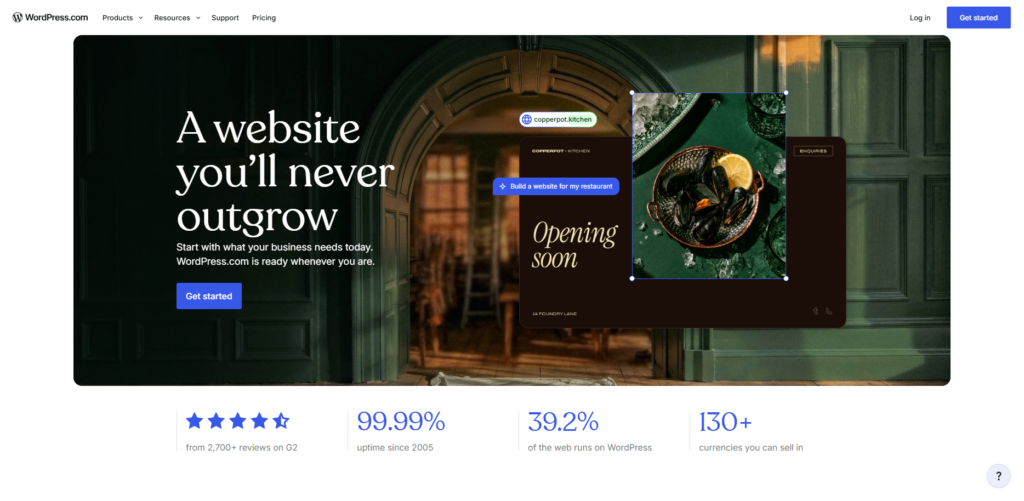
Web3 projects use it for crypto blogs, NFT directories, token documentation and blockchain news portals. It integrates with various databases, SEO tools and analytics platforms. Automation plugins help optimize metadata and schema markup, while dynamic URL structures accommodate large content libraries. It can be highly scalable due to its flexible content management capabilities.
Core Processes
- Create custom post types for tokens, blockchain projects, crypto exchanges and DeFi protocols.
- Create reusable page templates with custom fields and taxonomies.
- Connect to blockchain and cryptocurrency data via APIs and databases.
- Use SEO plugins to create SEO-friendly metadata, XML sitemaps and structured data.
Use plugins or custom development to automate bulk page publishing and internal linking.
Benefits
- Highly customizable with themes, plugins, and custom development.
- Can programmatically generate a lot of content.
- Gives you powerful SEO control over metadata, URLs and schema.
- Integrates with a lot of APIs, databases and automation tools.
Restrictions
- Requires technical maintenance and regular security patches.
- Too many plugins can affect your website performance.
- Custom development might be needed for extensive automation.
– As the website grows, hosting and premium plugin costs can increase.
2 . Webflow .
Webflow is a visual website design + CMS tool, and is popular with startups and marketers. Pricing includes free development plans and paid site plans to grow your business. Programmatic page generation using CMS Collections and API-driven workflows. Webflow is frequently used by Web3 companies to build token landing pages, NFT showcases, and blockchain project websites.
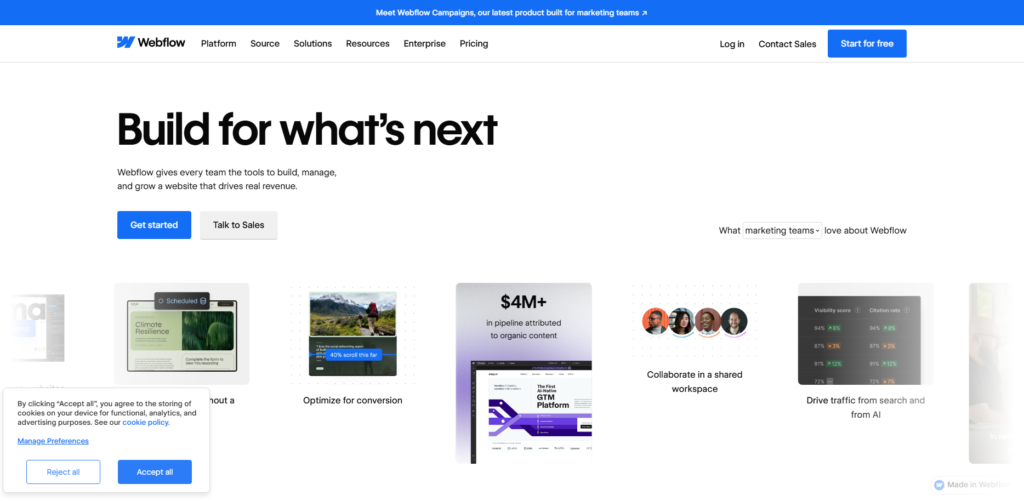
The platform provides integration capabilities with external databases, automation tools and marketing platforms. It has built-in SEO settings that allow to easily optimize metadata, URLs and page indexing. Dynamic URL management is handled by the CMS collection templates, and the content management system makes it easy to publish without needing significant development resources.
Processess
- Define structured fields for each individual Web3 page.
- Create reusable templates for auto-generated collection pages.
- CMS Collections for blockchain projects, crypto services, and NFT marketplaces.
- Link external data sources with APIs and automation integrations.
- Establish page meta content, canonical, redirects and sitemap management.
Cons
- Visual site builder with reusable CMS templates
Create dynamic pages from CMS collections. - Offers a flexible design without requiring a lot of coding.
- Built-in SEO settings and responsive website handling.
Limitations
- CMS item limits depend on the plan selected.
- Advanced automation may need external integrations.
- Complex relationships in the database may require further development.
- Hosting and CMS structures are often platform dependent which can limit flexibility.
3. Shopify
Shopify is the leading eCommerce platform for businesses selling products online. It has subscription-based pricing for everything from small business plans to enterprise-level Shopify Plus users. Programmatic page generation with APIs, product feeds and automated collection management. Web3 brands use Shopify to sell NFT-linked merchandise, crypto-related products, and blockchain-powered commerce experiences.

Integrations include CRMs, analytics programs, inventory systems, and marketing platforms. The SEO automation features help optimize product metadata, sitemaps and structured data. Products and collections are automatically given dynamic URLs. Shopify’s centralized content management system allows merchants to efficiently manage product descriptions, blogs, and customer-facing content.
Important Processes
- Organize Web3 products and services into groups of products.
- Design reusable product and collection page templates
- Import product data via APIs and bulk data tools.
- Optimize product titles, descriptions, meta data and canonical urls.
- Streamline inventory updates, product publishing and catalog management.
Benefits
- Solid skills in product and collection management.
- Supports massive catalog organization.
- Provides API access and third-party application integration.
- Packed with important SEO features for product-oriented websites.
Limitations
- Designed more for e-commerce than general SEO publishing.
- Limited customization of standard URL schemes.
- Advanced programmatic content generation may require applications or development.
- Subscription, application and transaction costs may increase the costs.
4. Wix
Wix is a no-code website builder platform designed for people, startups and small businesses. Prices range from free plans to premium business subscriptions. Wix CMS, dynamic pages and developer APIs also support programmatic page generation. Wix is commonly used by Web3 projects for informational cryptocurrency websites, community portals and token launch pages.
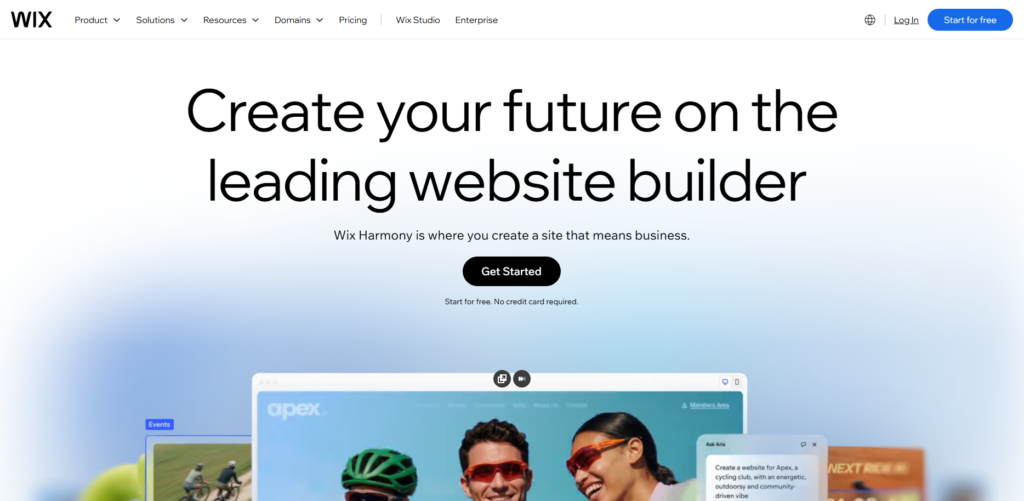
The platform integrates with external applications, analytics services and marketing tools. It features built-in SEO automation with metadata suggestions, sitemap generation and page indexing controls. Dynamic URL handling is provided by content collections and database driven pages. Wix’s easy-to-use content management environment allows non-technical users to update and publish content quickly.
Major Processes
- Build structured content databases with Wix CMS.
- Develop dynamic page templates for crypto directories and blockchain services.
- Integrate external data through APIs and Wix development tools.
- Configure SEO titles, descriptions, indexing and structured data settings.
- Automate content updates and publishing with supported workflows.
Pros
- Beginner friendly visual website management
- Supports dynamic pages with CMS collections.
- Offers built-in tools for SEO settings.
- Provides development tools for creating custom functionality for websites.
Restrictions
- Advanced programmatic SEO is technical to set up.
- CMS collections limits depend on the subscription plan.
- Complex data relationships may require custom development.
- less flexible than fully customizable headless CMS solutions
5. Framer
Framer is a modern platform for building websites, recognized for interactive design and high performance websites. Price: Free plans available; pro and business subscriptions available. CMS collections, external data sources and API-driven content workflows enable programmatic page generation. Web3 startups often use Framer to launch blockchain products, NFT project sites, and landing pages for crypto companies.
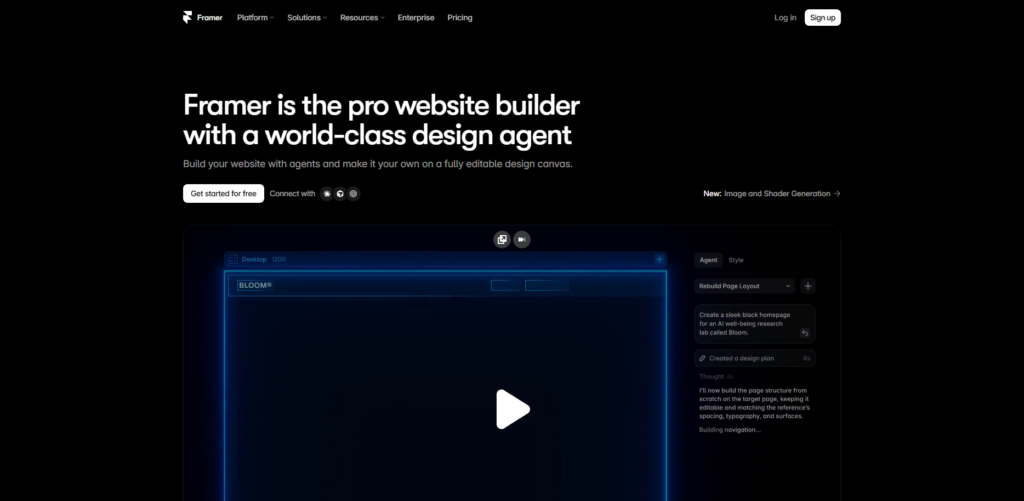
The platform can be integrated with databases, analytics systems and automation tools . SEO automation features: Customizable metadata Generation of sitemaps Indexing settings Dynamic URLs are handled by CMS-based collections. Framer’s content management system makes it easy for teams to edit content and keep their designs looking great.
Key Processes
- Develop reusable page templates for various programmatic landing page requirements.
- Create CMS collections for blockchain products, protocols, and Web3 resources.
- Fill content from CMS fields.
- Incorporate external data via supported APIs and integrations.
- Set page titles, descriptions, indexing options, dynamic page URLs.
Pros
- Good visual design skills for Web3 startups.
- Reusable CMS templates and dynamic pages.
- Allows the creation of responsive websites.
- Includes integrated SEO controls for individual pages.
Restrictions
- May need external tools for large-scale content automation.
- Minimal advanced database functionality in comparison to headless CMS platforms.
- The CMS capacity is based on the subscription plan.
- For complex workflows driven by APIs, you may need developers’ help.
6. HubSpot Content Hub
HubSpot Content Hub is a content management platform for enterprises and is integrated into the larger HubSpot marketing ecosystem. Prices range from starter packages to sophisticated enterprise solutions. Support for programmatic page generation through APIs, CRM data, personalization tools and content automation. It is used by web3 businesses for lead generation, to create educational content, and to market blockchain services.
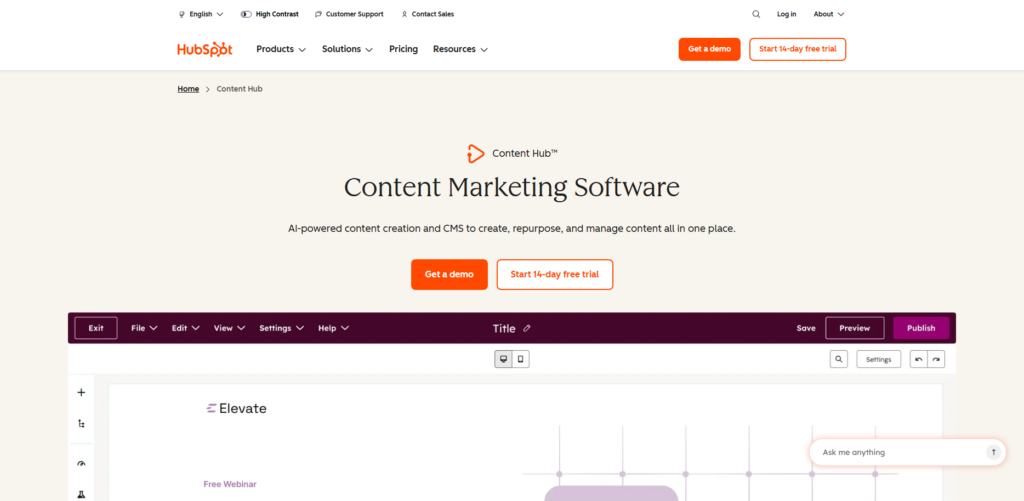
Another great feature is data integration, which links CRM, analytics and marketing systems in one platform. SEO automation: content recommendations, optimization scoring and technical SEO monitoring. You can build large content structures with dynamic URL creation, while still maintaining centralized content management across teams and campaigns.
Important Processes
- Store blockchain content in HubDB tables and structured records.
- Build dynamic pages using reusable templates and HubL.
- Leverage APIs to integrate CRM information and external data.
- Set up SEO recommendations, metadata and page optimization settings.
- Automate content publishing and marketing using HubSpot tools.
Pros
- Integrates content management and marketing automation.
- HubDB and HubL support for dynamic pages.
- CRM and marketing data integration.
- Includes built-in SEO suggestions and reporting capabilities.
Limitations
- The more expensive subscription may include advanced features.
- Technical expertise may be needed for HubL and custom development.
- Fine tuning for complex, programmatic SEO architectures.
- Some advanced integrations are subject to subscription and API availability.
7. BigCommerce
BigCommerce is an eCommerce platform built for growing online businesses and enterprises. Pricing covers standard subscription plans and enterprise solutions. Support for programmatic page generation via APIs, product catalogs, and headless commerce architectures. BigCommerce is used by Web3 companies to sell digital products, blockchain merchandise, and crypto-related services.
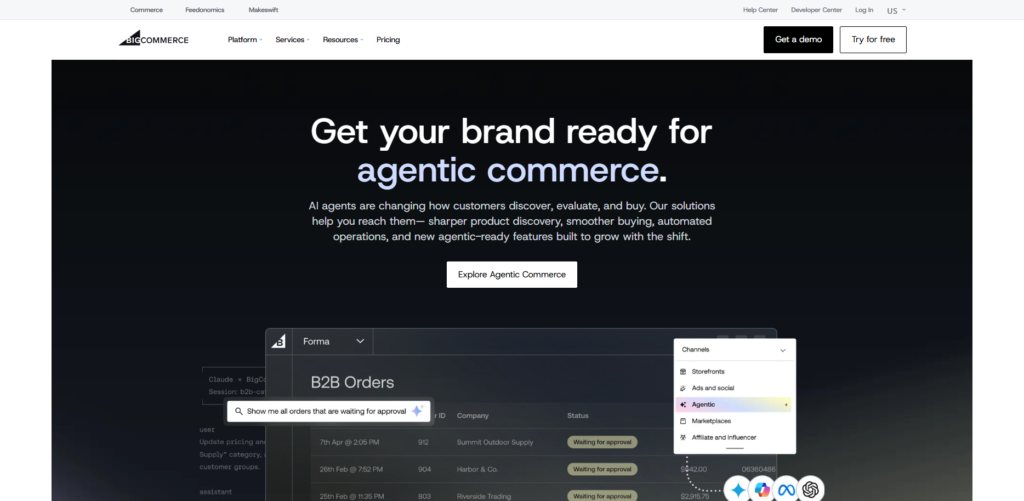
The platform connects with ERP systems, CRMs, analytics software and marketing tools. SEO automation covers metadata, product schema, redirects, and sitemaps. Dynamic URL management automatically structures product and category pages. Its content management system allows businesses to effectively manage blogs, product information, landing pages and promotional content.
Main processes
- Categorize Web3 products and digital offerings into catalogs
- Build product and category page templates for reuse
- Import and synchronize product information through APIs.
- Optimize product metadata, URLs and category level SEO settings.
- Integrate for automating catalog updates, product management.
Pros
- Good for managing large product catalogs.Offers API capabilities to integrate external data.
- Custom storefront experiences.
- Has built-in SEO functionality for e-commerce pages.
Constraints
- Dealing mostly with online commerce.
- Custom development may be required for advanced programmatic landing pages.
- Complex content workflows may require integration with external CMSs.
- Some features and operating costs depend on the selected plan. # 8. Squarespace
8. Squarespace
Squarespace is a website builder and content management platform that emphasizes design simplicity and ease of use. It is subscription-based and has plans for personal brands and businesses. Content collections, APIs and dynamic content features allow for programmatic page generation. Squarespace is used by Web3 creators for portfolio sites, NFT displays and presentations for blockchain projects.

Analytics, email marketing, and third-party applications are all integration options. SEO automation: clean URLs, metadata controls and sitemap creation. Dynamic URL management for blogs and content collections. Using the platform’s content management tools, users can keep professional websites up-to-date with very little technical knowledge.
Core Processes
- Collect and pool all Web3 educational content and service information.
- Build reusable layouts for resource and informational pages.
- Manage structured content using the collection features.
- Create SEO titles, descriptions, URLs and indexing options.
- Maintain and update published pages via the content management interface.
Benefits
- Simple website building and content management.
- Basic SEO settings included.
- Has professionally designed website templates.
- Good for small websites with Web3 content and resources.
Limitations
- Limited flexibility for more complex programmatic SEO workflows.
- Not well suited for automated large scale page generation.
- Some external data integrations may require additional development work.
Custom database functionality is less powerful than headless CMS platforms.
9. Sanity
Sanity is a headless CMS built for digital experiences that are highly customizable. Pricing includes free development tiers and scalable enterprise plans. A strength of the program is the programmatic generation of pages. Developers are able to use APIs and structured content models to dynamically generate content. Sanity is used by Web3 companies for token directories, NFT marketplaces, blockchain dashboards and decentralized applications.
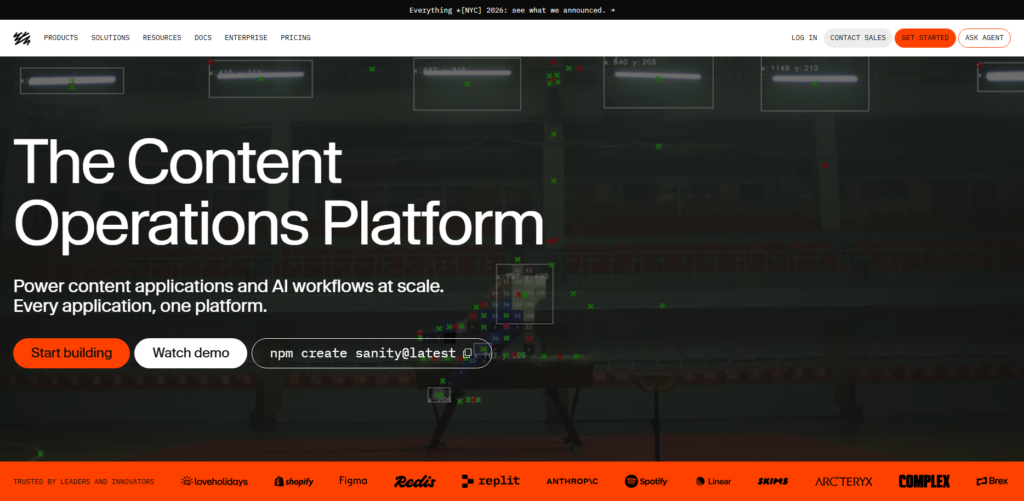
Data integration capabilities integrate seamlessly with backend services, analytics programs, and external databases. Customizable structured content and integrations are available in SEO automation. Developers control dynamic URL management and content management provides great flexibility for omnichannel publishing workflows.
Main Processes
- Define structured schemas for tokens, blockchain networks and DeFi protocols.
- Store Web3 data in reusable content documents.
- Get structured content using GROQ queries.
- Connect blockchain APIs and external databases to keep data in sync.
- Deliver content to SEO pages dynamically created with frontend frameworks.
Pros
- Flexible modeling of structured data.
- Supports API-driven content management.
- GROQ supports flexible content querying.
- Ideal for complex Web3 data structures, multi-page publishing.
Constraints
- Developer involvement is required for implementation
- Does not come with a full website builder by default.
- SEO features are typically done in the frontend.
- You must carefully manage your API usage and infrastructure requirements.
10. Contentful
Contentful is a headless CMS in the cloud for enterprises and digital product teams. Prices range from free plans to enterprise-grade subscriptions. APIs, content models, and headless architecture frameworks allow for programmatic page generation. Web3 companies use Contentful to power their blockchain apps, crypto education hubs, NFT platforms and token information portals.
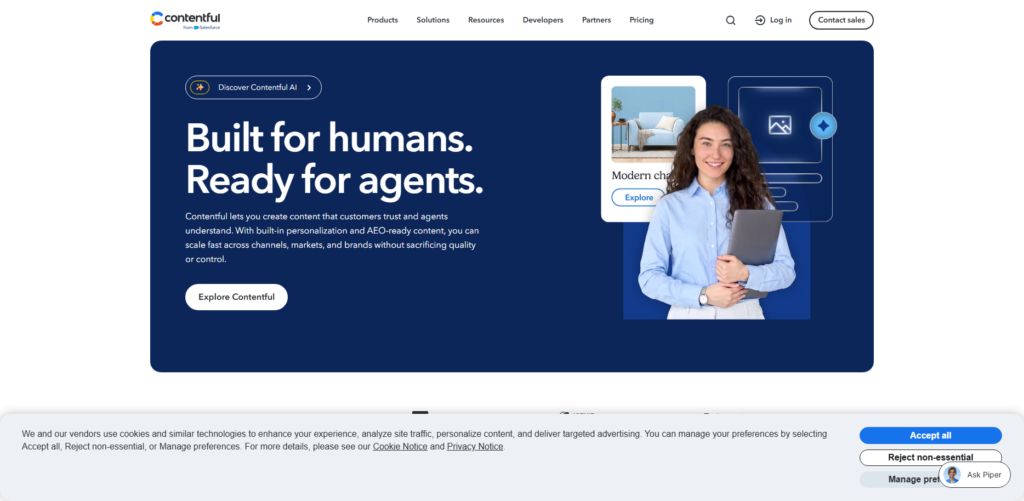
The platform has deep data integrations with databases, analytics and automation services. Content structures and integrated optimization tools can enable SEO automation. Development frameworks are fully configurable for dynamic URL management. Content management allows consistent content delivery across websites, apps and digital channels.
Main Processes
- Create content models for tokens, blockchain projects and crypto services.
- Content entries and structured fields are to be organized for reuse.
- Expose data via APIs for frontend applications.
Integrations and custom workflows to link external blockchain data sources. - Generate SEO pages from frontend templates with metadata and sitemap settings.
Advantages
- Excellent structured content management skills.
- Allows API-driven publishing across multiple platforms.
- Reusable content models and localization features are available.
- Suitable for Web3 content operations at the enterprise level.
Limitations
- Needs front-end development to enable fully programmatic SEO.
- More advanced functionality may increase subscription costs.
- Complex content models need careful planning.
- CMS does not fully provide SEO automation and dynamic URL generation.
How to Choose the Best Web3 Programmatic SEO Platform?
Know What Your Website Needs to Do: If you want crypto directories, token pages, NFT listings, or DeFi landing pages, choose a platform.
Page Generation: Choose tools that offer reusable templates, dynamic content, and bulk page creation to scale SEO campaigns.
Check Data Integration: Choose platforms that link to blockchain APIs, external databases, and structured datasets for accurate data.
Assess SEO Automation: Look for features like metadata management, schema markup, canonical tags, XML sitemaps, and indexing controls.
Check URL Management: Make sure the platform lets you organize URLs in a way that is both organized and search-friendly, and allows you to create flexible page structures.
Pricing Analysis: Look at subscription fees, hosting costs, API fees, premium integrations, and additional development costs.
Content Management Evaluation: Choose platforms that offer custom fields, reusable content types, bulk publishing capabilities, and easy content updates.
Think about Scalability and Performance: Assess CMS limits, site speed, mobile responsiveness, and ability to host large numbers of useful pages.
Conclusion
The best Web3 programmatic SEO platform for you will depend on your business goals, content needs, budget and technical know-how. WordPress and Webflow provide flexible website management, whereas Shopify and BigCommerce are suited for product-focused Web3 businesses. Framer and Wix are easy to build websites on, whereas HubSpot Content Hub integrates marketing automation.
Sanity and Contentful are good choices for developer-driven projects that need structured content and API integrations. Before you choose a platform, think about dynamic page generation, blockchain data integration, SEO automation, URL management and scalability. Finally, focus on fresh content, technical SEO and accurate blockchain information for sustainable organic visibility.
FAQ
What is Web3 programmatic SEO?
Web3 programmatic SEO is a strategy that uses structured data, APIs, and reusable templates to generate multiple search-optimized pages for crypto, blockchain, DeFi, and NFT websites.
Which platform is best for Web3 programmatic SEO?
WordPress is a flexible option for Web3 programmatic SEO because it supports custom post types, SEO plugins, APIs, and reusable page templates.
Can WordPress generate thousands of crypto SEO pages?
Yes. WordPress can support large-scale crypto page generation using custom post types, structured databases, APIs, automation plugins, and reusable templates.
Is Webflow suitable for blockchain websites?
Yes. Webflow supports CMS Collections and dynamic pages, making it useful for blockchain directories, Web3 service listings, and crypto resource websites.
How does programmatic SEO help DeFi websites?
It helps DeFi websites create dedicated pages for protocols, tokens, blockchain networks, and financial products using structured data and reusable templates.